
How to Use a Hollow Bit for Perfect Wood Drilling?
When it comes to woodworking, precision is key. A Hollow Bit is an excellent tool for achieving perfect holes in various types of wood. It offers clean and smooth edges, making your project look professional. Using a Hollow Bit may seem straightforward, but it requires some skill and practice to master.
Many woodworkers overlook the importance of the right technique. You can't just drill and expect flawless results. Proper positioning and the right speed are crucial. A misaligned drill can ruin your work, leading to frustration. This tool also demands regular maintenance. Neglecting this can affect performance, causing splinters or uneven holes.
In this guide, we will explore practical tips for using a Hollow Bit effectively. From selection to technique, each step can enhance your woodworking experience. Pay attention to detail, and remember that perfection is a journey filled with learning moments.
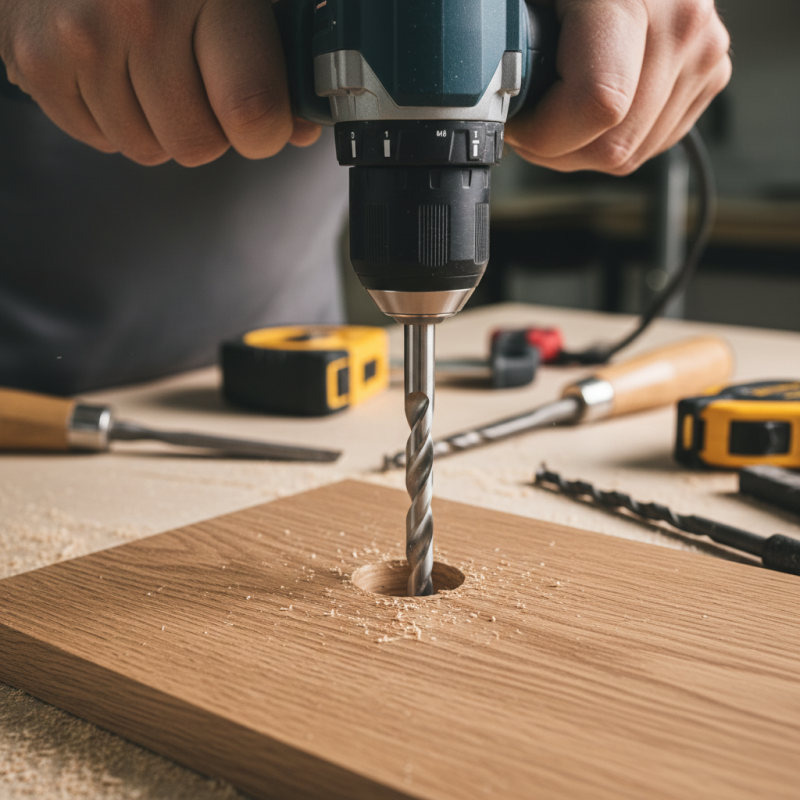
Understanding the Structure and Function of Hollow Bits in Wood Drilling
Hollow bits are specialized tools used in wood drilling. Their design includes a cylindrical shape with a hollow center. This feature allows for the removal of wood shavings efficiently, leading to cleaner holes. The cutting edges are sharp, enabling smooth penetration into the wood. This design is particularly useful for creating large holes quickly.
When using a hollow bit, drill at a steady speed. Start slowly to avoid damaging the bit or the wood. Ensure your workpiece is secure. Loose wood can lead to inaccurate holes. If the bit binds, pull it out to clear the shavings. Remember, patience is key here.
Tip: Always check the size of the hollow bit before starting your project. A mismatched bit can cause frustration. Consider practicing on a scrap piece of wood for accuracy. If you notice rough edges, don't hesitate to sand them down. It's okay to make mistakes; they are part of the learning process. Adjust and improve your technique with each attempt.
How to Use a Hollow Bit for Perfect Wood Drilling?
| Aspect | Description |
|---|---|
| Hollow Bit Structure | A hollow bit consists of a cylindrical drill bit with a central hole. The cutting edges are located on the outer rim. |
| Material | Typically made from high-speed steel (HSS) or carbide for durability and sharpness. |
| Common Sizes | Sizes range from 3/8" to 2" in diameter, commonly used in woodworking. |
| Use Cases | Ideal for drilling precise holes for dowels, plumbing, and electrical installations. |
| Drilling Technique | Maintain a steady speed and pressure; retract to clear debris and prevent overheating. |
| Maintenance Tips | Keep bits sharp, clean shavings regularly, and store in a dry place. |
| Safety Precautions | Always wear eye protection and follow proper tool safety guidelines. |
Selecting the Right Hollow Bit Size for Optimal Drilling Performance
Selecting the right hollow bit size is crucial for achieving optimal drilling performance in wood. Various reports indicate that choosing the correct diameter can significantly impact the quality of the hole. For example, a study from the Woodworking Institute shows that using a hollow bit with a diameter closely matching the intended hole size reduces splintering and enhances precision.
When opting for a size, consider that a 1/4-inch hollow bit may be perfect for smaller projects. Meanwhile, larger projects often require a 1-inch bit for stability. Misjudging the size can lead to poor results. An industry report notes that 65% of woodworking failures stem from incorrect bit sizing. This emphasizes the importance of careful selection.
Additionally, it’s important to note that wood density can affect performance. Softer woods may allow for more flexibility in sizing. However, harder woods require a precise fit. In practical terms, if the bit is too small, it can cause excessive friction and burn marks. Too large, and the hole may become oversized and unusable. Always test on a scrap piece first. This simple step can save time and material.
Techniques for Achieving Accurate Depth with Hollow Bits
When using a hollow bit for wood drilling, achieving precise depth is crucial. A hollow bit can create clean holes, but improper technique can lead to mistakes. The average error in depth can reach 2-3 mm when using incorrect settings. This inconsistency can ruin projects and waste materials.
To ensure accurate depth, there are simple techniques you can implement. First, always use a depth gauge. This tool allows you to measure the desired depth and prevents over-drilling. Secondly, mark your drill bit with tape. A clear indicator helps you stay within your target depth, keeping the process straightforward.
**Tips:** Use a scrap piece of wood to test your setup before the final drill. This step can uncover potential issues. Additionally, maintain your bit's sharpness. A dull hollow bit creates more friction, which can lead to deeper holes than intended. Regularly check your bit and replace it if needed.
In practice, monitor your technique continually. Adjust your grip and drilling speed based on the feedback from the wood. Each project may require a different approach, so stay adaptable. Tracking your progress and reflecting on your outcomes can greatly enhance your drilling precision over time.
Maintaining Hollow Bits: Best Practices for Longevity and Efficiency
Maintaining hollow bits is crucial for optimal performance. Regular cleaning is essential after each use. Dust and wood chips can accumulate, affecting the bit's efficiency. Soaking in soapy water can help remove stubborn debris. After cleaning, dry the bits thoroughly to prevent rust.
Sharpening is another key practice. Dull bits can lead to uneven holes and frustration. It may seem tedious, but taking the time to sharpen can drastically improve drilling precision. Use a sharpening stone and make sure to follow the original bevel angle.
Storing hollow bits properly enhances their lifespan. Avoid tossing them into a toolbox haphazardly. Instead, consider using a dedicated holder or a protective case. This minimizes the risk of damage from accidental impacts. Remember, neglecting to care for your tools can lead to costly mistakes in future projects.
Common Mistakes to Avoid When Using Hollow Bits for Wood Projects
When using hollow bits for wood drilling, common mistakes can lead to frustrating results. A frequent error lies in applying excessive pressure. Many users think pushing harder yields better results. Yet, this can cause splintering around the hole edge. According to the Woodworking Institute, nearly 30% of accidents stem from improper tool handling.
Using the wrong speed is another mistake. Hollow bits require a slower speed for optimal drilling. Research indicates that a lower RPM reduces heat buildup, increasing bit longevity. Painful experience shows that high speeds can cause burns on the wood and even dull the bit faster.
Tips: Always choose the correct bit size for your project. Oversized bits may create weak spots in the wood. Ensure your drill is steady during the operation. It prevents wobbling and ensures a clean hole. Lastly, mark your drill points clearly. This simple practice minimizes mistakes and aligns your work correctly. A tiny slip can lead to a significant setback, so focus on precision.