
Why Are Surgical Instruments Essential in Modern Medicine?
Surgical Instruments play a pivotal role in modern medicine. They are essential tools that enable precise interventions. With their help, surgeons perform intricate procedures that save lives. The effectiveness of surgeries relies heavily on these instruments.
Many people may underestimate the complexity of surgical instruments. Each tool serves a specific purpose. From scalpels to forceps, these instruments must be expertly designed for successful outcomes. Despite advancements, challenges remain in instrument design and usage. Improper use can result in complications, emphasizing the need for thorough training.
The evolution of surgical instruments reflects progress in medical science. However, it is vital to continuously improve these tools. Surgeries should not only focus on success rates, but also on safety. As we advance, the importance of reliable surgical instruments cannot be overstated. They bridge the gap between medical knowledge and practical application.
The Historical Development of Surgical Instruments in Medicine
Surgical instruments have a rich history in medicine. In ancient times, tools were rudimentary. Stone knives and crude metal blades were common. As surgery evolved, so did the instruments. The Greeks and Romans made significant developments. They introduced more precise tools, enhancing surgical procedures.
During the Middle Ages, advancements slowed. However, the Renaissance sparked innovation. Surgeons began to understand anatomy better. They designed new instruments tailored for specific surgeries. For instance, forceps emerged, allowing for safer childbirth. These changes were crucial for patient outcomes.
As time progressed, surgical instruments became more specialized. The 19th century saw the introduction of anesthesia. This led to more complex procedures. Instruments were designed to minimize trauma and promote healing. Yet, some tools became outdated, requiring reconsideration. Not all advancements succeeded. The challenge remains in balancing innovation with proven effectiveness.
Historical Development of Surgical Instruments
This chart represents the evolution of key surgical instruments over time, showcasing their introduction and popularity from the 18th century to the 21st century. The data reflects advancements in surgical technology and the increasing importance of precision tools in modern medicine.
Key Types of Surgical Instruments and Their Functions
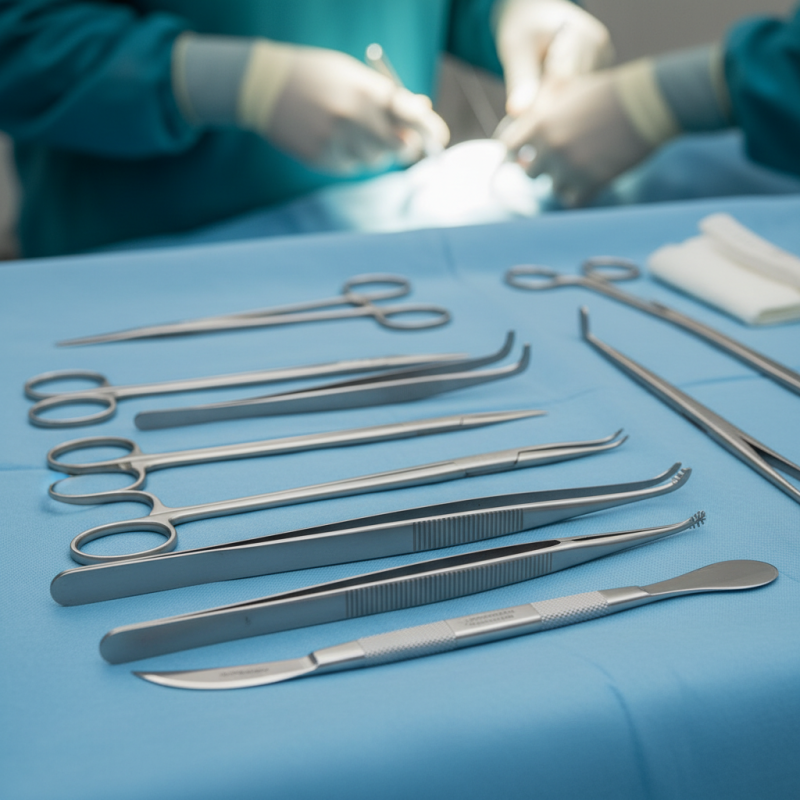
Surgical instruments play a vital role in modern medicine. These tools help surgeons perform precise procedures. They vary in shape and size, each designed for specific functions. For instance, scalpels are used for making incisions. Scissors help in cutting tissues, while forceps are perfect for grasping and manipulating organs.
Understanding the types of instruments is essential. Hemostatic forceps control bleeding during surgery. Scissors can come with curved or straight blades. Needle holders are critical for suturing wounds. Each instrument serves a purpose, but their misuse can lead to complications. Familiarity is key, though training often remains a challenge.
Tips: Always handle instruments with care. Ensure proper sterilization to prevent infections. Regularly inspect tools for wear and tear. Reflect on your technique. A small mistake can have serious consequences. Learning from errors improves surgical skills. Stay updated with training sessions.
Why Are Surgical Instruments Essential in Modern Medicine? - Key Types of Surgical Instruments and Their Functions
| Instrument Type | Function | Common Examples |
|---|---|---|
| Scalpel | Used for making incisions in the skin and tissues. | #10 blade, #11 blade |
| Scissors | Used for cutting tissues, sutures, or other materials. | Mayo scissors, Metzenbaum scissors |
| Forceps | Used for grasping and holding tissues or materials. | Adson forceps, Kelly forceps |
| Hemostats | Used to clamp blood vessels to control bleeding. | Crile hemostat, Mosquito hemostat |
| Suction Devices | Used to remove fluids from the surgical site. | Yankauer suction, poole suction |
| Needle Holders | Used to hold needles while suturing. | Mayo-Hegar, Olsen-Hegar |
| Electrocautery Devices | Used for cutting and coagulating tissues using electrical current. | Bovie, Valleylab FT10 |
The Role of Sterilization and Maintenance in Surgical Instrument Use
Surgical instruments are critical in modern medicine. Their effectiveness relies heavily on proper sterilization and maintenance techniques. A study by the American Institute of Medical and Biological Engineering found that around 20% of healthcare-associated infections are linked to unsterilized instruments. This statistic highlights the importance of stringent sterilization practices.
Sterilization is essential to prevent contamination. Surgical instruments need to be cleaned thoroughly after each use. Some facilities report inconsistencies in their sterilization processes. This can lead to serious complications during surgeries. For example, improper sterilization can cause infections or increase recovery time for patients. Routine maintenance of these tools is also crucial. Instruments should be inspected for wear and tear regularly. Minor defects can go unnoticed until it’s too late.
Statistics show that 80% of surgical instrument failures are due to inadequate maintenance. This raises critical concerns for surgical teams. Training staff on proper sterilization methods and regular maintenance schedules is vital. Regular audits can help identify gaps in practices. These steps are necessary to improve patient outcomes and ensure the highest standards of care.
Advancements in Technology and Their Impact on Surgical Instruments
In modern medicine, advancements in technology have transformed surgical instruments significantly. High-definition cameras enhance visuals during procedures. Surgeons can navigate with unparalleled precision. The development of robotic-assisted surgery has allowed for minimally invasive techniques. This reduces patient recovery time and improves outcomes.
However, these advancements bring challenges. Training medical staff to use new technology can be daunting. It requires extensive practice to master robotic systems. Surgeons must also balance technology with their own skills and instincts. Overreliance on machines could lead to complacency.
Surgical instruments now feature smart technologies. Sensors offer real-time data during operations. This capability helps in making informed decisions. Still, the cost of these instruments can be a barrier for some facilities. Not every hospital can afford the latest tools. It raises questions about accessibility and equity in healthcare.
Future Trends in Surgical Instruments and Their Implications for Healthcare
The evolution of surgical instruments has greatly influenced modern healthcare. Advancements in materials and technology are moving procedures into the future. Robotics and minimally invasive tools are becoming more common. Surgeons will soon navigate complex operations with precision, less pain, and quicker recoveries. This shift is promising; however, it presents challenges.
As instruments become more advanced, the need for training increases. New techniques require ongoing education for medical personnel. Staff may struggle to adapt, leading to potential errors. There are concerns about over-reliance on technology. Human skills should not be overlooked, even with high-tech tools. Balancing innovation and traditional skills is vital.
Moreover, the cost of new instruments can strain healthcare budgets. Not all facilities will afford these advancements. This disparity may widen the gap between urban and rural healthcare. Ensuring equal access to modern surgical tools becomes a challenge. Reflection on these issues is crucial as we embrace the future. The potential is vast, but pitfalls must be acknowledged.