
Why is Sleep Monitoring Technology Essential for Better Health?
In recent years, Sleep Monitoring Technology has gained significant attention as a key component of health management. According to the Sleep Research Society, nearly 35% of adults report insufficient sleep, which can lead to chronic health issues. These technologies provide valuable insights into sleep patterns, allowing individuals to make informed decisions about their sleep hygiene.
Wearable devices and sleep tracking apps offer real-time data that can help users identify sleep disturbances. A study by the National Sleep Foundation indicates that 50-70 million adults in the U.S. suffer from sleep disorders. This underscores the critical need for effective sleep monitoring solutions. However, while data collection is crucial, interpreting this data responsibly remains a challenge.
Despite the advancements, some users may find themselves questioning the accuracy of their devices. Reports suggest that not all devices are created equal, and their effectiveness can vary widely. Individuals must weigh the reliability of their sleep data against their personal health goals. Ultimately, while Sleep Monitoring Technology presents vast opportunities for improving sleep quality, critical assessment of its findings is essential for optimal health outcomes.
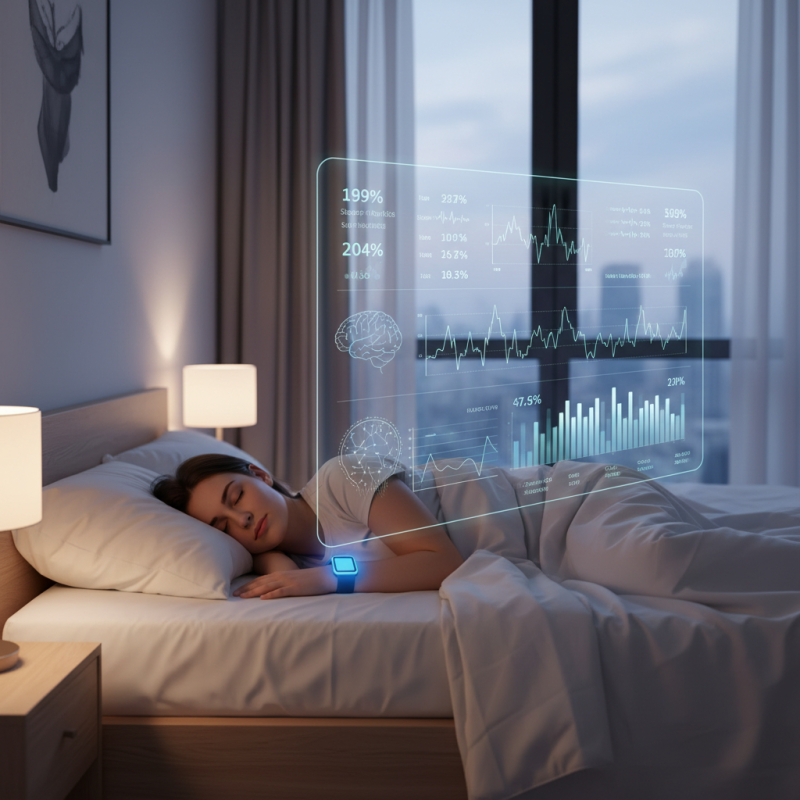
The Importance of Sleep for Overall Health and Well-being
Sleep is a fundamental pillar of health that is often overlooked. Quality sleep affects the immune system, emotional stability, and cognitive function. Insufficient sleep can lead to mood swings and diminished alertness. People might notice feeling irritable or scatterbrained after a poor night’s sleep. It’s essential to understand that consistent sleep deprivation can have long-term effects on overall health.
Monitoring sleep patterns can help individuals recognize trends in their rest. By tracking sleep duration and quality, one can identify factors that disrupt sleep. Stress, diet, and environment may all play roles. For instance, a noisy bedroom might interfere with deep sleep, leading to fatigue during the day. Reflecting on personal sleep habits can reveal areas for improvement.
Effective sleep hygiene is vital for well-being. Simple changes, such as establishing a sleep schedule or creating a relaxing bedtime routine, can enhance sleep quality. However, these changes may take time and require patience. Each person’s sleep needs are unique. Thus, it is necessary to remain adaptable in finding what works best.
Sleep Monitoring Technology and Its Impact on Sleep Quality
This bar chart illustrates the average sleep quality index based on sleep duration and monitoring technology usage. Adequate sleep is crucial for overall health and well-being. The data shows that individuals using sleep monitoring technology tend to have better sleep quality compared to those who do not.
Understanding Sleep Monitoring Technology: Types and Tools
Sleep monitoring technology has transformed how we understand and improve our sleep patterns. Various tools provide insights into sleep quality, duration, and cycles. Wearable devices, such as smartwatches and fitness trackers, record heart rates and movement. This data helps identify sleep disturbances. According to the Sleep Foundation, 70 million Americans suffer from a sleep disorder. Accurate monitoring can offer paths to better health.
Another category includes non-wearable devices, like smart mattresses and sleep trackers. These tools analyze sleep patterns using sensors embedded in the mattress. The technology can detect how well users navigate through different sleep phases. A report from the National Sleep Foundation indicates that over 60% of adults report poor sleep quality. Such devices help raise awareness of sleep issues that often go unnoticed.
While innovative, methods of tracking sleep can sometimes lead to overthinking. Obsessing over minor fluctuations may increase anxiety, counteracting any benefits of knowing sleep data. The focus should remain on fostering healthy sleep habits instead of solely relying on technology. Balancing awareness and relaxation is crucial. Acknowledging imperfections in sleep may lead to better emotional well-being.
Why is Sleep Monitoring Technology Essential for Better Health? - Understanding Sleep Monitoring Technology: Types and Tools
| Type of Sleep Monitoring Technology | Key Features | Benefits | Typical Users |
|---|---|---|---|
| Wearable Devices | Tracks sleep stages, heart rate, and movement | Improves sleep quality, promotes healthy habits | Fitness enthusiasts, health-conscious individuals |
| Sleep Apps | Uses smartphone sensors to monitor sleep patterns | Provides personalized insights and recommendations | General users, tech-savvy individuals |
| Sleep Trackers | Placed on the bed to analyze sleep movement | Accurate sleep assessment, non-invasive | People with sleep issues, researchers |
| Smart Mattresses | Adjusts temperature and firmness based on sleep data | Enhanced comfort, better sleep environment | Home users, luxury seekers |
| Clinical Sleep Monitors | Monitors sleep in a lab setting, including brainwaves | Comprehensive diagnosis of sleep disorders | Patients with suspected sleep conditions |
How Sleep Tracking Impacts Sleep Quality and Duration
Sleep tracking technology has become a vital tool for improving sleep quality and duration. By monitoring patterns, it helps individuals understand their sleep cycles better. Many devices record metrics like total sleep time, sleep stages, and interruptions. This data provides insights that can lead to healthier sleep habits.
For instance, you might discover that you struggle to reach deep sleep stages. This awareness prompts lifestyle changes. Perhaps you reduce screen time before bed or create a relaxing bedtime routine. Simple adjustments can lead to more restful nights. However, it’s easy to become overly reliant on tracking technology. Numbers don’t tell the whole story of how you feel.
Sometimes, the pressure to achieve "perfect" sleep can create anxiety. It may lead to sleep issues rather than solving them. Balancing data insights with intuition is essential. Listen to your body. Embrace the technology as a guide, not a strict ruler. Over time, this improves your sleep quality and overall well-being. A reflective approach can open up new pathways for better nights.
The Role of Data Analytics in Sleep Monitoring
Sleep monitoring technology has become crucial for understanding our health. Data analytics plays a key role in this revolution. Researchers have found that nearly 30% of adults experience sleep disturbances. Tracking patterns through technology provides insights into these issues.
Personalized data from sleep monitors allows individuals to identify their sleep stages. This information can highlight trends. For instance, a report by the National Sleep Foundation found that 70% of people can improve sleep quality with targeted interventions based on data. Analytics identify factors influencing sleep, like room temperature and daily activities.
However, reliance on technology isn't without flaws. Some individuals may misinterpret their data, overreacting to minor fluctuations. The risk of anxiety from constant monitoring can also emerge. Understanding these limitations is vital. Engaging with sleep data should remain a tool for improvement rather than a source of stress.
Integrating Sleep Monitoring into Daily Health Routines
Integrating sleep monitoring into daily health routines can profoundly impact well-being. The familiarity with sleep patterns allows individuals to recognize how lifestyle choices affect rest quality. Simple tools can track hours spent asleep and identify disturbances during the night. This data becomes critical for anyone struggling with fatigue or emotional health issues.
Incorporating devices like wearables or smartphone apps into your life doesn't require expertise. Most are user-friendly and provide insights in real-time. You may find that late-night screen use disrupts sleep, or caffeine has a lingering effect into the night. These observations can guide small but impactful changes in behavior.
However, relying too heavily on technology can have drawbacks. Obsessing over every detail may lead to anxiety rather than solutions. It’s important to strike a balance between monitoring sleep and enjoying life. Regular check-ins with how you feel can help prioritize mental health alongside data. Thus, sleep monitoring should be an aid, not a source of stress in your daily routine.