
What Are Skin Care Tools and How Do They Work?
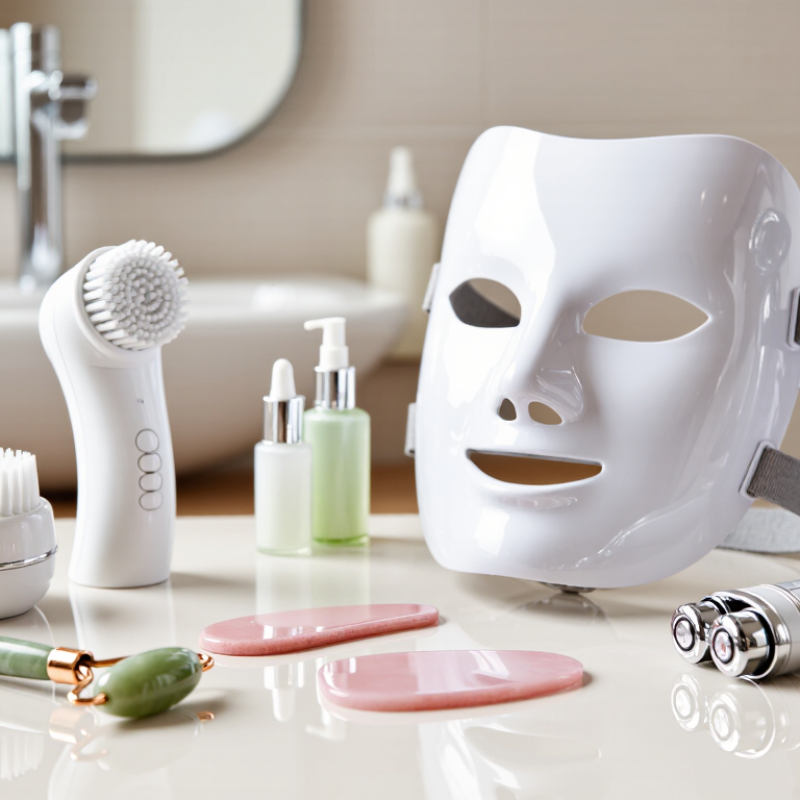
Skin Care Tools have moved from spa cabinets into everyday bathrooms. They include cleansing brushes, facial rollers, gua sha stones, LED masks, microcurrent devices, and derma rollers. Each tool uses a different physical principle. Some create gentle pressure. Others use vibration, light, electrical current, or controlled exfoliation.
But what do these tools actually do? A cleansing brush may loosen surface oil and makeup, while excessive pressure can irritate sensitive skin. Facial rollers and gua sha tools can temporarily reduce puffiness by supporting fluid movement. LED devices use specific wavelengths, although results depend on treatment time, device quality, and consistent use. Microcurrent tools deliver mild electrical stimulation, but their visible effects may be subtle and temporary.
Dermatologist Dr. Joshua Zeichner has said, “The best skin care routine is the one that you can stick with.” That principle matters here. A costly device cannot repair a damaged skin barrier overnight. Nor can a tool replace sunscreen, gentle cleansing, or professional medical advice.
The category is not perfectly defined. Some marketing claims move faster than strong research. That deserves caution. Users should inspect safety instructions, avoid broken skin, and stop when burning or persistent redness appears. Clean the device after use. Small habits matter.
This guide explores how Skin Care Tools work, what evidence supports them, and where expectations should remain realistic. The goal is not flawless skin. It is safer, informed care that fits real life.
What Are Skin Care Tools?
Skin care tools are handheld or powered devices designed to support cleansing, massage, exfoliation, or targeted treatment. Common examples include cleansing brushes, facial rollers, gua sha tools, LED devices, and microcurrent equipment. Each works differently. Some remove surface debris through movement. Others deliver light, warmth, or mild electrical stimulation. The mechanism matters.
Market interest is growing quickly. Grand View Research estimated the global beauty devices market at about USD 39.1 billion in 2023. McKinsey’s 2023 beauty report projected the broader beauty market could reach USD 590 billion by 2028, with skin care representing roughly 40 percent. These figures show demand, not guaranteed results. Popularity is not proof.
A useful tool should match your skin condition and routine. A soft cleansing device may help remove sunscreen, but excessive pressure can cause redness. Massage tools can temporarily reduce puffiness, mainly by moving fluid across the skin. LED devices may support selected concerns, yet treatment schedules and device quality matter. Evidence is uneven. I once considered “more sensation” a sign of better performance. That assumption needs questioning. If a tool stings, scratches, or leaves persistent irritation, stop using it. Clean the device after every use, avoid sharing it, and follow professional guidance for acne, eczema, rosacea, or sensitive skin. A tool is an accessory, not a replacement for gentle cleansing, moisturizer, and daily sun protection.
What Are Skin Care Tools and How Do They Work?
Skin care tools use physical energy to support cleansing or cosmetic skin treatments. This chart shows representative wavelengths used by light-emitting diode (LED) tools: blue light is commonly used for surface-level antimicrobial research, while red and near-infrared light penetrate more deeply and are studied for photobiomodulation and skin-repair processes. Actual results depend on dose, exposure time, device design, and individual skin conditions.
How Different Skin Care Tools Work
What Are Skin Care Tools and How Do They Work?
Skin care tools support cleansing, massage, hydration, or targeted light treatment. Their effects depend on design, pressure, timing, and skin condition. A soft cleansing brush uses gentle movement to lift oil, sunscreen, and surface debris. It does not replace a suitable cleanser. Excessive pressure may cause redness or dryness.
A facial roller or gua sha tool mainly provides massage. Smooth surfaces glide across moisturized skin, helping reduce temporary puffiness and creating a relaxing sensation. Their results are usually short-lived, not permanent reshaping. Microcurrent devices deliver a very low electrical current across the skin. Some users notice a temporary tightening effect, but consistent technique matters. LED tools use specific light wavelengths to influence visible skin concerns. Progress can be gradual, and irritation is still possible.
Tips: Clean tools after each use, especially when they touch wet skin. Use light pressure and slow movements. Avoid broken, inflamed, or infected skin. Follow the device instructions, and stop if burning or persistent redness appears. I once assumed stronger pressure meant better results; it only made my skin feel sensitive. The limit is easy to forget. Patch testing and professional advice are sensible when skin reacts easily or when treatment involves electrical current.
The Main Types of Skin Care Tools
Skin care tools support cleansing, massage, exfoliation, or targeted treatment. Their effects depend on technique, skin condition, and consistent use. A tool cannot repair every concern. It may also irritate sensitive skin when used too often.
Cleansing brushes use soft bristles or silicone surfaces to lift oil and residue. Use light pressure, especially around the nose and cheeks. Facial rollers and gua sha tools provide gentle massage, which may temporarily reduce puffiness. Keep them clean and avoid dragging dry skin. LED devices use different light wavelengths for specific concerns, such as redness or blemishes. Microcurrent tools deliver mild electrical stimulation and require careful use. They are not suitable for everyone. Extraction tools can cause marks or infection when handled without training, so professional extraction is often safer.
Tips: Wash reusable tools after each use and let them dry fully. Start with the lowest comfortable setting. Do not share facial tools. Avoid using them over open wounds, active irritation, or severe breakouts. Check the instructions before using LED or microcurrent devices, particularly if you have a medical implant or take photosensitizing medication. Stop if you feel burning, sharp pain, or lasting redness. Less pressure works better. A more expensive tool is not automatically more effective. Track your skin for several weeks, because quick changes can be misleading.
| Tool Type | How It Works | Common Uses | Potential Benefits | Evidence Level | Key Safety Considerations | Typical Use Frequency |
|---|---|---|---|---|---|---|
| Facial Cleansing Brush | Uses rotating or vibrating bristles to combine cleanser, water, and gentle mechanical movement on the skin surface. | Removing oil, sunscreen, makeup residue, and surface debris. | May provide a deeper-feeling cleanse and mild exfoliation compared with hands alone. | Limited to variable | Excessive pressure or frequent use may cause irritation, dryness, or worsen sensitive skin conditions. Keep the brush clean. | Several times weekly or as tolerated; sensitive skin may need less frequent use. |
| Silicone Cleansing Device | Soft silicone touchpoints pulse or vibrate against cleanser-covered skin, helping loosen surface impurities through gentle friction. | Daily cleansing, especially for people who prefer a reusable tool with non-porous contact points. | Can improve the sensation of cleansing while generally being gentler than firm-bristle brushes. | Limited | Avoid scrubbing aggressively. Rinse and dry the device after use, and stop if redness or stinging develops. | Daily or a few times weekly, depending on skin sensitivity and product instructions. |
| Facial Roller | A smooth stone or metal head is rolled across the skin, creating light pressure and temporary cooling or massage effects. | Relaxing facial massage, temporary reduction in the appearance of puffiness, and spreading lightweight skin-care products. | May temporarily improve comfort and the appearance of swelling through cooling and gentle massage; it does not permanently reshape the face. | Limited | Use light pressure and clean the roller between uses. Do not roll over open wounds, active infections, or painful inflamed acne. | As desired, often a few minutes per session. |
| Gua Sha Tool | A smooth-edged tool is moved across lubricated skin with light pressure to provide massage and a gliding, scraping-like sensation. | Facial massage, relaxation, and temporary reduction in the appearance of puffiness. | May temporarily increase local circulation and relieve muscle tension; long-term lifting claims are not well established. | Limited | Excessive pressure can cause bruising, broken capillaries, or irritation. Avoid areas with active rashes, wounds, or infection. | Occasionally or several times weekly with gentle pressure. |
| LED Light Therapy Device | Light-emitting diodes deliver specific wavelengths of visible or near-infrared light to the skin without ultraviolet radiation. | Red or near-infrared light is commonly used for signs of photoaging; blue light may help target acne-causing bacteria as part of an acne routine. | Some devices may modestly improve inflammatory acne or the appearance of fine lines after consistent use. | Moderate, device-dependent | Follow eye-protection instructions. Photosensitizing medicines and certain light-sensitive conditions may require medical advice before use. | Usually several sessions weekly, according to the device instructions. |
| Microcurrent Device | Uses very low electrical currents delivered through conductive contact points to stimulate superficial facial tissues and muscles. | Temporary facial toning or a more lifted-looking appearance. | May produce short-term changes in facial appearance, but durable lifting effects are not firmly established. | Variable | Avoid or seek medical advice when pregnant, using an implanted electronic device, or when affected by certain neurological or cardiac conditions. | Follow the specific device schedule; more frequent use is not necessarily better. |
| Facial Steamer | Produces warm water vapor that raises skin-surface temperature and temporarily softens surface oils and debris. | Pre-cleanse preparation, relaxation, and temporary skin softening. | May make cleansing feel easier and temporarily increase skin hydration; it does not permanently open pores. | Limited | Steam can cause burns and may aggravate rosacea, eczema, or sensitive skin. Keep a safe distance and avoid very hot or prolonged exposure. | Occasionally and briefly, if the skin tolerates it. |
| Ultrasonic Skin Spatula | Uses high-frequency vibrations at a wet skin surface to help loosen superficial debris and excess oil. | Gentle surface exfoliation and removal of loose residue after cleansing. | Can temporarily improve skin smoothness and the feeling of cleanliness. | Limited | Use only on damp skin, avoid strong pressure, and do not use over open lesions, active infections, or severe irritation. | About once weekly or as directed; overuse may cause dryness or sensitivity. |
| Derma Roller | Fine needles create controlled microscopic punctures in the skin, which can stimulate wound-healing responses and collagen remodeling. | Professional treatment of selected acne scars, uneven texture, and some signs of photoaging. | Medical microneedling may improve certain scars and texture over multiple treatments; home rollers are less controlled. | Moderate for professional treatment | Home use may cause infection, scarring, pigmentation changes, or irritation. Never share the tool, and avoid use over active acne, cold sores, or infection. | Professional treatments require healing intervals; home use should not be frequent and is best discussed with a qualified clinician. |
| Blackhead Extraction Tool | Applies focused mechanical pressure around a pore to remove a superficial comedone. | Removal of selected blackheads or whiteheads. | May remove an individual comedone immediately when performed correctly. | Technique-dependent | Incorrect pressure can cause skin tears, inflammation, infection, and permanent marks. Professional extraction is safer for difficult or inflamed lesions. | Only when necessary; routine squeezing is not recommended. |
| Pore Vacuum | Creates negative pressure to pull surface oil and loose debris toward a suction opening. | Temporary removal of superficial debris and excess oil. | May make pores appear temporarily cleaner, but it cannot permanently shrink pores or remove deep congestion safely. | Limited | High suction may cause bruising, broken capillaries, swelling, or irritation. Avoid use on fragile skin, rosacea, active acne, or broken skin. | Infrequently and only at the lowest effective setting. |
| Facial Ice Globe or Cooling Tool | Transfers cold to the skin, causing temporary blood-vessel constriction and a cooling, numbing sensation. | Temporary relief of puffiness, heat, or discomfort. | May briefly reduce the appearance of swelling and provide a soothing sensation. | Limited | Do not apply frozen objects directly for prolonged periods. Stop if numbness, pain, excessive redness, or skin discoloration occurs. | Occasionally, for short sessions. |
How to Choose the Right Skin Care Tool
What Are Skin Care Tools and How Do They Work?
Choosing the right skin care tool starts with the problem, not the trend. A cleansing brush may remove surface oil, while a facial roller mainly offers temporary massage and cooling. LED devices use specific light wavelengths, but results depend on dose, consistency, and skin condition. Grand View Research valued the global beauty devices market at about $33 billion in 2023, showing strong consumer interest. Market growth, however, does not prove clinical effectiveness.
Check the evidence before buying. Look for published clinical studies, clear instructions, and realistic treatment claims. For sensitive or acne-prone skin, avoid aggressive exfoliating tools that can worsen redness or irritation. The American Academy of Dermatology recommends gentle skin care and warns that scrubbing can irritate acne. Clean reusable tools after every use, especially around the eyes and mouth. Never share them.
Skin type matters. Dry skin may tolerate a soft silicone cleanser, while oily skin still needs careful, limited cleansing. Avoid using several active tools together. I once assumed stronger pressure meant better results. It only left my skin tight. That mistake still matters. If a tool causes burning, swelling, or persistent redness, stop using it and seek professional advice. A dermatologist can assess pigmentation, acne, or broken skin more reliably than a mirror. Cite: Grand View Research, Beauty Devices Market Report, 2024; American Academy of Dermatology, Skin Care Guidance.
Safe and Effective Use of Skin Care Tools
Skin care tools include cleansing brushes, facial rollers, microcurrent devices, and light-based equipment. They work through mechanical movement, gentle electrical current, cooling, or controlled light exposure. Their effects vary widely. McKinsey’s 2023 Future of Beauty report projects the global beauty market could reach about 580 billion dollars by 2027, growing approximately 6% each year. That growth reflects interest, not proof of every device’s effectiveness.
Safe use begins with clean skin, clean tools, and realistic expectations. Follow the manufacturer’s timing instructions, even when the routine feels harmless. Excessive pressure can cause redness, tiny abrasions, or worsened sensitivity. Avoid tools over open wounds, active infections, or severely irritated skin. The American Academy of Dermatology advises stopping products or procedures that cause persistent burning, swelling, or pain. Less is often safer.
In practice, I would test a new tool on a small area first. I would also take weekly photos under similar lighting. Results can be difficult to judge in a mirror. Grand View Research identifies continued expansion in at-home beauty devices through 2030, but wider access does not replace clinical judgment. People using prescription treatments, or managing rosacea, eczema, or implanted electrical devices, should ask a qualified clinician first. I have learned that a complicated routine is not automatically a better one. Some tools may improve temporary puffiness, while deeper concerns need professional assessment.
Related Posts
-
10 Best Skin Treatment Products for Global Buyers
-
Unlocking Radiance: Essential Tips for Choosing the Perfect Skin Care Products for Women
-

Discover the Latest Innovations in Medical Skin Care Products for Optimal Global Sourcing Solutions
-

Comparing the Top 5 Best Skin Care Cosmetics: Which One is Right for You?
-

Navigating Global Standards in Beauty Care: Challenges and Innovations for Today’s Suppliers
-
Discover the Secret Ingredients in Skin Care Products for Glowing Skin