
What is a Neuro Surgical Drill and How is it Used?
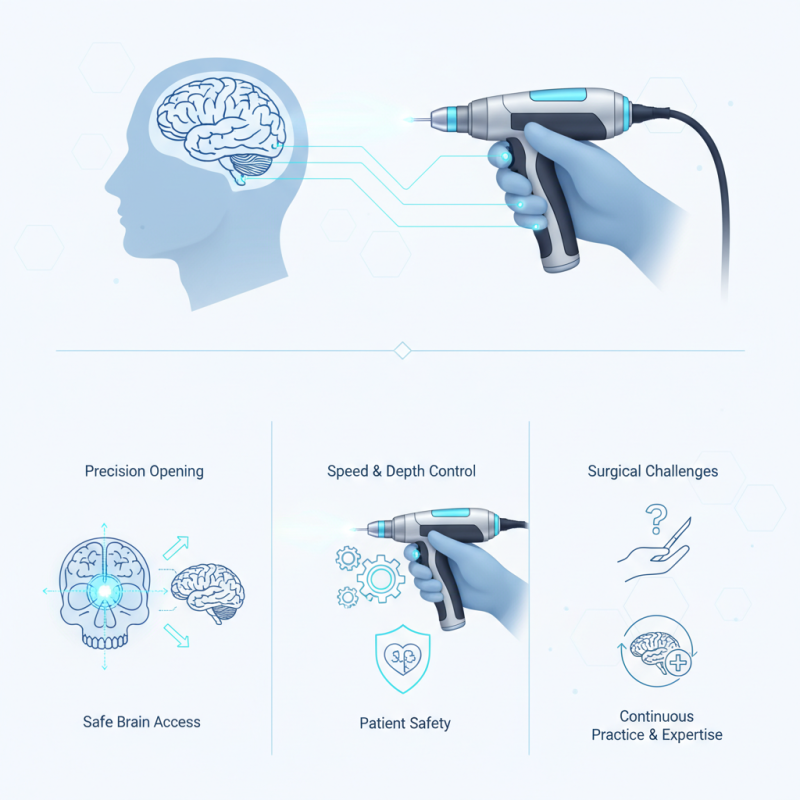
A neuro surgical drill is a vital tool in modern neurosurgery. This device allows surgeons to create precise openings in the skull. It is particularly important for accessing the brain safely and efficiently. The drill is specially designed to minimize damage to surrounding tissues.
Surgeons must be highly skilled to use a neuro surgical drill correctly. Precision is crucial because even minor mistakes can have serious consequences. The drill's design includes features that help control the speed and depth of penetration. This control enhances patient safety and surgical outcomes.
However, using a neuro surgical drill is not without challenges. There is always a risk of complications during operations. Surgeons must be prepared for unexpected situations. Constant practice and improvement are essential for mastering this equipment. Ultimately, the effectiveness of a neuro surgical drill hinges on the surgeon's expertise.
What is a Neuro Surgical Drill?
A neuro surgical drill is a specialized tool designed for precise drilling into the skull. It's crucial during neurosurgical procedures. This drill allows surgeons to access the brain safely. Typically, it features a small, rotating bit capable of cutting through bone. The design reduces the risk of damage to surrounding tissues. Surgeons use it when removing tumors, repairing injuries, or performing deep brain stimulation.
These drills operate at high speeds. The heat generated can be concerning. Surgeons must manage this heat to avoid overheating the bone. This requires skill and experience. Electric and pneumatic models are common, but both have their pros and cons. Electric drills provide better control, while pneumatic ones are often lighter.
Despite advancements, challenges remain. Maintaining sterility is crucial, yet difficult. Improper handling can lead to infection. Surgeons must also consider the patient's unique anatomy. Individual variations can complicate procedures. A neuro surgical drill is a vital tool, but it demands attention and care from medical professionals. Each operation carries significant responsibility.
Components and Features of Neuro Surgical Drills
Neuro surgical drills are essential tools in neurosurgery. They come with various components designed for precision and safety. The primary component is the drill bit. It is often made from high-quality materials, like titanium or carbide. These materials ensure durability and effectiveness during procedures.
Another critical feature is the depth control mechanism. This feature prevents accidental penetration beyond the targeted area. In some devices, this mechanism integrates real-time feedback technology. Reports show that about 40% of neurosurgeons consider depth control crucial for reducing complications.
Vibration management is also vital. Excessive vibration can damage delicate tissues. Many modern drills include systems to minimize vibrations. Still, issues with these systems can lead to surgical risks. In practice, about 15% of surgeons have reported problems with drill stability. This highlights the need for ongoing evaluation of drill performance in clinical settings. Overall, while the technology has advanced significantly, there are still areas requiring improvement.
Types of Neuro Surgical Drills and Their Applications
Neuro surgical drills are essential tools in modern neurosurgery. They come in various types, each with specific applications. Intriguingly, these drills allow surgeons to perform delicate procedures with precision. A report by the Neurosurgery Research & Education Foundation notes that approximately 30% of neurosurgical procedures involve drilling. This statistic highlights their importance in the operating room.
Different types of neuro surgical drills include handheld, electric, and high-speed drills. Handheld drills are common for cranial procedures. Their design allows for better control in tight spaces. Electric drills, on the other hand, offer speed and efficiency. They are favored for larger surgeries where time is critical. A 2022 study published in the Journal of Neurosurgery found that high-speed drills reduced operative time by an average of 15%. Yet, they can generate excessive heat. This risks damaging surrounding brain tissue, necessitating careful monitoring.
Drills are not perfect. Surgeons must consider factors such as patient safety and equipment failure. There have been reports of drill malfunctions during critical operations. These issues underscore the need for rigorous training and system checks. Despite advancements, challenges persist in ensuring every procedure's success. Ongoing education for surgical teams is crucial. Balancing innovation and safety remains a significant concern in the field.
Steps in Using a Neuro Surgical Drill During Surgery
Using a neuro surgical drill is a critical process in brain surgery. Surgeons begin by preparing the patient's head and marking the incision site. Once everything is in place, they make an incision through the scalp. This step is crucial; precision is key, but nerves can be close.
Next, the drill is used to create a hole in the skull. Surgeons must maintain control to avoid damaging surrounding tissue. The drill can be loud and intimidating, which may affect the surgical team's focus. Each rotation of the drill needs careful monitoring. There is little room for error.
As the procedure continues, the surgeons remove the bone flap. They must handle it delicately to preserve its structural integrity. Often, they use special tools to assist. Communication with the team is essential. Misunderstandings can lead to mistakes. Every surgeon learns and reflects on their technique. The neuro surgical drill requires skill and precision, and even experienced professionals must stay vigilant.
What is a Neuro Surgical Drill and How is it Used? - Steps in Using a Neuro Surgical Drill During Surgery
| Step | Description | Purpose | Safety Measures |
|---|---|---|---|
| 1 | Preparation of the surgical site | To ensure a sterile environment | Use antiseptic solutions |
| 2 | Selecting the appropriate drill bit | To match the procedure requirements | Ensure the bit is clean and functional |
| 3 | Drilling the cranium | To access the brain tissues | Monitor drill speed and pressure |
| 4 | Suction of debris | To maintain a clear view and working area | Use appropriate suction equipment |
| 5 | Finalizing the procedure | To safely close the incision | Check for any complications |
Safety Measures and Best Practices in Neuro Surgery
Neuro surgery requires precision, especially when using surgical drills. These drills are essential for accessing the brain. However, safety measures are crucial for successful outcomes. A report from the Journal of Neurosurgery highlights that over 20% of neurosurgical complications are preventable with proper protocols.
One key safety measure involves proper training. Surgeons must be skilled in using these tools effectively. According to a study, adequate training can reduce errors by up to 30%. This statistic underscores the need for rigorous education and practice in the operating room. Scrubs and sterile environments are also critical. Contamination can lead to severe infections, which complicate recovery.
Equipment maintenance is another important aspect. Regular checks can prevent unexpected failures during procedures. A survey showed that nearly 15% of surgical drills malfunctioned due to lack of maintenance. Thus, continuous vigilance is necessary. The combination of training, environment, and equipment oversight creates a safer space for patients. Each detail matters, as even minor oversights can have grave consequences.