
What is an LCD Display and How Does It Work?
An LCD Display, or liquid crystal display, has transformed how we view screens. These displays are in our smartphones, televisions, and computer monitors. The technology behind LCDs can seem complex, but it is fascinating and vital.
At its core, an LCD uses liquid crystals to modulate light. The crystals change alignment when electrical currents pass through them. This adjustment controls the light that reaches our eyes. As a result, images appear clear and vibrant. However, some limitations exist. For instance, viewing angles can affect the colors displayed.
Understanding the inner workings of an LCD Display can enhance appreciation for modern devices. Many people rely on these screens every day. Yet, few consider how they operate. By exploring the technology behind LCDs, we can reflect on the blend of art and science that shapes our digital world.
What is an LCD Display: Definition and Overview
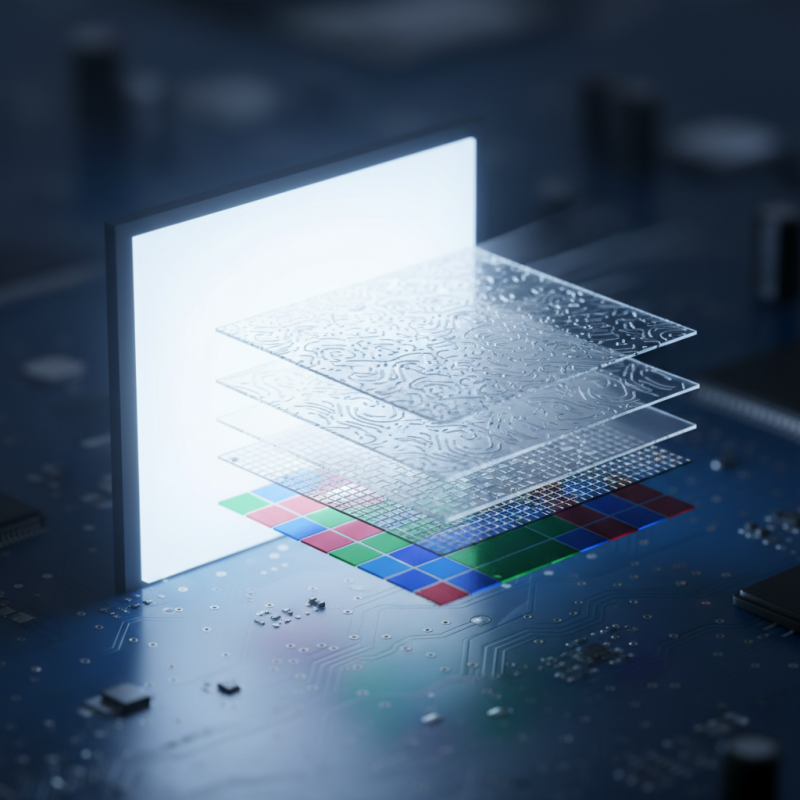
An LCD (Liquid Crystal Display) is a technology widely used in screens for various devices. It utilizes liquid crystals that align in response to electric currents. This alignment controls light passage, creating images and text. The structure of an LCD includes layers like backlighting and filters.
According to a report by the Display Research Institute, LCD technology accounted for about 77% of the global display market in 2021. This high percentage underscores its dominance across televisions, computer monitors, and smartphones. The technology's efficiency in energy consumption also contributes to its popularity. Energy-efficient displays often provide brighter images while using less power.
However, challenges exist with LCD technology. One significant issue is viewing angles. Colors may shift when viewed from different angles, leading to a less than ideal experience. Additionally, the response time can lag in high-speed scenarios, like gaming. These imperfections highlight areas needing improvement in future designs. The balance between cost and performance often complicates development, making it essential to address these limitations.
The Fundamental Components of an LCD Display
An LCD display, or Liquid Crystal Display, consists of several fundamental components that work together to produce images. At its core, the LCD panel contains liquid crystals sandwiched between two layers of glass or plastic. These crystals manipulate light to create visible images.
The backlight is a crucial element in an LCD display. It provides the necessary illumination, typically using LED lights. According to a 2021 market report, LED backlighting accounts for over 80% of LCD displays sold globally. This shift from traditional fluorescent lights improves energy efficiency and enhances color accuracy, but it also raises questions about the longevity of the display and potential color degradation over time.
Another critical component is the color filter, which allows specific colors to pass through while blocking others. This is where the complexity increases. Each pixel in an LCD consists of red, green, and blue sub-pixels, mixing these colors to generate various hues. However, the alignment of liquid crystals can be affected by temperature changes, leading to inconsistencies in color reproduction. As technologies advance, the quest for better color accuracy will continue, with researchers exploring new materials to overcome these limitations.
How an LCD Operates: The Science Behind the Technology
Liquid Crystal Displays (LCDs) have transformed our screens, from televisions to smartphones. These displays use liquid crystals sandwiched between layers of glass or plastic. The crystals align when an electric current passes through them. This alignment affects how light passes, creating images on the screen.
The science behind LCD technology lies in the interplay of light and liquid crystals. Typically, a light source is placed behind the display. The light travels through a polarizing filter and then through the liquid crystals. Depending on the electrical signals received, the crystals twist or align differently. This movement changes the light's path and ultimately alters the colors we perceive.
Despite their wide use, LCDs have limitations. They struggle with true blacks due to backlighting. This can lead to less vibrant colors compared to other technologies. Bright environments can also wash out the display’s visibility. Understanding how LCDs operate helps us appreciate their strengths and recognize their weaknesses.
Key Features and Advantages of LCD Displays in Various Applications
LCD displays have transformed how we interact with technology. In various applications, their key features, such as energy efficiency and thin design, stand out. A study by the Consumer Electronics Association highlights that LCDs account for over 75% of global display technology usage. This dominance stems from their ability to deliver vibrant colors and sharp images while consuming less power compared to older technologies like CRT.
In educational settings, LCDs are widely used in projectors and smart boards. They enhance learning experiences by providing clear visuals. According to market research from Statista, the demand for interactive display technologies in classrooms has increased by 25% in the past four years. However, challenges exist. Some users report concerns over viewing angles and color degradation over time. Addressing these issues remains a focus for manufacturers.
In the medical field, LCD displays play a crucial role. They provide accurate representations of images for diagnostics. Reports indicate that hospitals prefer LCDs for their reliability and clarity. However, as technology evolves, the potential for OLED and microLED technologies raises questions about the future of LCDs. While these innovations offer promise, they also highlight the ongoing need for manufacturers to improve LCD technology continuously.
Industry Trends: The Evolution and Future of LCD Technology
The landscape of LCD technology is rapidly evolving. In recent years, the global LCD market has seen significant shifts. According to a report by Allied Market Research, the market was valued at approximately $106 billion in 2020 and is projected to reach around $136 billion by 2028, growing at a CAGR of 3.2%. This growth indicates an ongoing demand for LCD displays in various applications, including TVs, monitors, and mobile devices.
One notable trend is the increasing shift towards more energy-efficient and thinner display technologies. As technology advances, manufacturers are integrating features such as high dynamic range (HDR) and enhanced color gamuts. However, challenges persist. The competition with emerging technologies like OLED has put pressure on traditional LCDs to innovate. Market analyses suggest that while LCD holds a significant share, the rise of reflective and microLED displays is reshaping consumer expectations.
Industry experts emphasize the importance of recycling and sustainability in manufacturing processes. The need for eco-friendly materials and practices is becoming paramount. Many companies are struggling to adapt to these requirements. As awareness grows, the focus on sustainability could redefine industry standards and impact future designs. Balancing innovation with ecological responsibility remains a critical challenge for LCD technology's future.