
How to Improve Skin Health Naturally?
Healthy skin is more than a glossy appearance. It protects against microbes, regulates temperature, and helps the body sense its surroundings. The World Health Organization estimates that skin diseases affect nearly 1.9 billion people worldwide. This figure shows why Skin Health deserves practical, evidence-based attention.
Natural improvement does not mean abandoning medical care. It means supporting the skin barrier through consistent habits. Gentle cleansing, daily broad-spectrum sunscreen, adequate sleep, balanced nutrition, and regular movement can create measurable benefits. The American Academy of Dermatology warns that harsh products and excessive exfoliation may damage the barrier. Small changes matter. A lukewarm shower and fragrance-free moisturizer may help more than a crowded bathroom shelf.
Dermatologist Dr. Anjali Mahto writes, “There is no such thing as perfect skin,” in The Skincare Bible. Her point challenges unrealistic beauty claims. The Global Wellness Institute valued the global wellness economy at $6.3 trillion in 2023, reflecting growing interest in preventive health. Yet wellness marketing is not always clinical evidence. Some popular ingredients still lack strong, long-term research. That uncertainty deserves honesty.
This guide will examine realistic methods for improving Skin Health naturally. It will connect dermatology guidance with daily experience, from dry cheeks after cleansing to irritation beneath sunscreen. Results vary. Persistent acne, sudden rashes, painful lesions, or changing moles require professional assessment. Natural care can support healthy skin, but it cannot replace diagnosis or treatment.
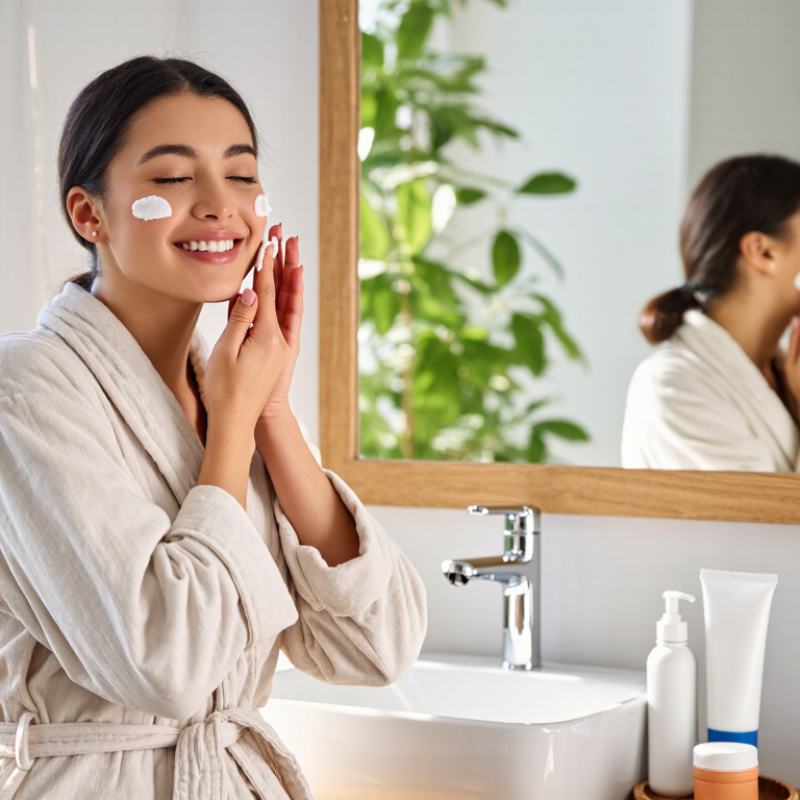
Understanding the Skin’s Structure and Natural Health Needs
Healthy skin starts with understanding its structure, not chasing quick fixes. The epidermis forms the outer barrier, while the dermis contains collagen, elastin, nerves, and blood vessels. Beneath them, subcutaneous tissue cushions the body and stores energy. Each layer needs different support.
The epidermis loses water when its protective lipids become disrupted. Harsh cleansers, very hot showers, and dry air can worsen this weakness. A 2022 review in the International Journal of Molecular Sciences describes the skin barrier as essential for preventing water loss and blocking irritants. Gentle cleansing and regular moisturising therefore have a biological purpose. They are not merely cosmetic habits. Skin also needs protection from ultraviolet radiation. The World Health Organization recommends protection when the UV Index reaches 3 or higher. This matters because the American Academy of Dermatology reports that about one in five Americans may develop skin cancer during their lifetime.
Nutrition supports repair, but it cannot replace basic care. Protein, colourful vegetables, healthy fats, and adequate fluids help maintain normal tissue function. Still, “natural” does not automatically mean safe. Fragrant plant oils may irritate sensitive skin, especially after shaving or exfoliation. I have also noticed a common mistake: changing several products at once makes reactions difficult to understand. Introduce one change, observe the skin, and adjust slowly. Persistent redness, scaling, pain, or a changing mole deserves professional assessment. Personal experience can guide observation, but it cannot replace a qualified diagnosis.
How to Improve Skin Health Naturally? - Understanding the Skin’s Structure and Natural Health Needs
| Skin Health Dimension | Structure or Role | Natural Health Need | Practical, Evidence-Based Habit |
|---|---|---|---|
| Skin layers | The epidermis forms the outer surface; the dermis contains connective tissue, nerves, blood vessels, and hair follicles; the subcutaneous layer beneath it contains fat and connective tissue. | Protect the surface while supporting the skin’s normal renewal and repair processes. | Use gentle skin care and protect exposed skin from excessive sun. Avoid harsh scrubbing that can irritate the surface. |
| Skin barrier | The outermost epidermal layer, the stratum corneum, helps limit water loss and blocks many external irritants. | Maintain the barrier’s moisture and avoid repeated irritation. | Choose a gentle, fragrance-free moisturizer if skin feels dry. Apply after washing while skin is slightly damp. |
| Skin surface pH | Skin is generally mildly acidic; measurements often fall around pH 4.5–5.5, though values vary by body site and individual. | Avoid unnecessarily disrupting the skin surface with aggressive cleansing. | Use a mild cleanser and lukewarm water. Limit strong soaps and frequent washing when they leave skin tight or dry. |
| Moisture balance | The stratum corneum holds water, while natural skin lipids help reduce moisture loss. | Reduce dryness without irritating the skin. | After bathing, gently pat skin dry and apply a moisturizer suited to your skin. Creams or ointments may help very dry areas. |
| Sun exposure | Ultraviolet (UV) radiation can cause sunburn and contribute to premature skin aging and skin cancer risk. | Reduce unprotected exposure to both UVA and UVB radiation. | Use broad-spectrum SPF 30 or higher sunscreen on exposed skin. Reapply about every two hours outdoors and after swimming or sweating; seek shade and wear protective clothing. |
| Cleansing | Skin naturally contains oils and microorganisms that are part of its surface environment. | Remove sweat, dirt, and sunscreen without stripping the skin. | Wash gently as needed, particularly after sweating and at the end of the day if wearing sunscreen or makeup. Avoid abrasive scrubs and very hot water. |
| Nutrition | Skin uses nutrients to support normal tissue maintenance, but no single food or “detox” has been shown to guarantee clear or healthy skin. | Provide a varied, balanced diet that meets overall nutritional needs. | Include vegetables, fruit, whole grains, protein sources, and unsaturated fats. Seek medical advice about supplements rather than taking high doses without guidance. |
| Hydration | Water is essential for the body, but drinking extra water does not reliably treat dry skin when a person is already adequately hydrated. | Meet individual fluid needs, which vary with activity, climate, health, and diet. | Drink fluids regularly according to thirst and your health professional’s advice. Use a moisturizer for skin dryness rather than relying on extra water alone. |
| New skin-care products | Even products with “natural” ingredients can cause irritation or allergic reactions in some people. | Introduce products cautiously and watch for changes in the skin. | Test a new product on a small area first and stop using it if irritation develops. “Natural” does not automatically mean non-irritating or safer. |
| Persistent skin changes | Ongoing rash, painful inflammation, changing moles, or wounds that do not heal may need professional assessment. | Identify conditions that require more than routine skin care. | Consult a qualified health professional for persistent, severe, or concerning symptoms rather than relying only on home remedies. |
Note: Skin needs differ by age, skin type, environment, and health condition. These general habits support everyday skin care but do not replace personalized medical advice.
Related Posts
-
2026 How to Choose the Best Skin Care Cosmetics for Your Needs?
-
Why Are Skin Beauty Products Essential for Healthy Skin?
-
What is Skin Beauty Products for Global Buyers?
-

Unlocking the Global Skin Care Market Potential with a Focus on Consumer Trends and Emerging Ingredients
-

Global Skin Care Line Innovations: Key Trends Shaping the Industry by 2025
-

Top 10 Skin Care Manufacturers from China Featured at the 137th Canton Fair