
What is DL-Methionine and why is it important?
DL-Methionine is an essential amino acid crucial for many biological processes. It serves as a building block for proteins and supports various metabolic functions. This sulfur-containing compound plays a vital role in methylation, a key biochemical process. It helps regulate gene expression and maintain cellular health.
In addition to its biological functions, DL-Methionine impacts the diet and nutrition of humans and animals. It is commonly found in meat, dairy, and some nuts. However, ensuring sufficient intake can be challenging, especially for vegetarians. Some people may struggle to get enough of this important nutrient.
Moreover, the importance of DL-Methionine extends to its effects on health and wellness. Research suggests it may support liver function and act as an antioxidant. Yet, some might argue its benefits are not fully understood. This ambiguity can lead to misconceptions about its necessity. A better understanding of DL-Methionine is essential for optimizing health.
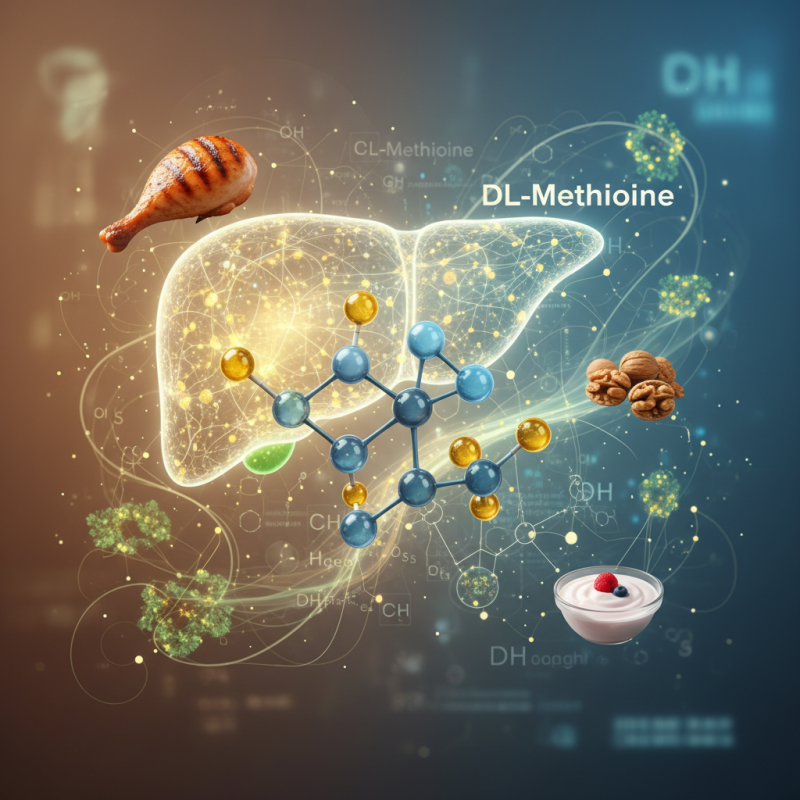
What is DL-Methionine?
DL-Methionine is an essential amino acid found in many proteins. It's part of the sulfur-containing amino acids group. Humans cannot synthesize it, thus requiring dietary intake. Some foods rich in methionine include meat, fish, and dairy products. According to the Food and Nutrition Research Journal, deficiencies in methionine can lead to various health issues, which makes it vital.
The role of DL-methionine goes beyond nutrition. It helps in protein synthesis and supports metabolic functions. This amino acid acts as a precursor for other important molecules like cysteine and taurine. Those are crucial for overall health. The Global Amino Acids Market Report indicates that the demand for methionine in animal feed has increased. Continued growth reflects its importance in improving feed efficiency and animal health.
However, the reliance on DL-methionine raises questions. Is its synthetic form as effective as natural sources? Some studies suggest that synthetic amino acids can disrupt metabolic pathways. More research is necessary to understand these implications. Balancing natural and synthetic sources could be key for optimal health outcomes.
Chemical Structure and Properties of DL-Methionine
DL-Methionine is an important amino acid. It plays a crucial role in protein synthesis. Its chemical structure features a sulfur atom, which distinguishes it from other amino acids. This sulfur atom contributes to various biochemical processes in the body.
The molecular formula of DL-Methionine is C5H11NO2S. Its unique properties make it hydrophobic yet slightly soluble in water. This creates interesting interactions within cellular environments. Methionine is essential for the production of other important compounds, like cysteine and taurine. The body cannot produce this amino acid on its own, requiring it from dietary sources.
Understanding the implications of DL-Methionine is key. Its role goes beyond mere nutrition. It influences detoxification processes and the growth of tissue. However, relying solely on supplements can be a flawed approach. Natural dietary sources can provide a better balance. Awareness of one’s dietary intake is crucial for maintaining optimal health.
DL-Methionine: Its Importance and Properties
The Role of DL-Methionine in Human Health
DL-Methionine is an essential amino acid. It plays a vital role in several bodily functions. This nutrient is crucial for protein synthesis. It helps in creating hormones and enzymes that our body needs. Methionine also contributes to the production of important molecules like cysteine and taurine.
In human health, DL-Methionine has several significant benefits. It acts as an antioxidant, protecting our cells from damage. This amino acid supports liver function. It helps detoxify harmful substances in the body. A deficiency in methionine can lead to serious health issues. It can affect muscle health and immune function.
Moreover, DL-Methionine can influence mood and cognitive function. It is linked to the production of neurotransmitters. These chemicals are essential for communication between nerve cells. A lack of methionine may affect mental clarity and emotional well-being. Many people may not realize how vital this amino acid truly is. Balancing methionine intake is essential for overall health.
Sources of DL-Methionine in Diet
DL-Methionine is an essential amino acid. It's crucial for several bodily functions, including protein synthesis and metabolism. Maintaining adequate levels of this nutrient is important for overall health. But where can we find it in our diet?
Many foods are rich in DL-Methionine. Animal products, such as meat, fish, and dairy, are excellent sources. For instance, chicken and tuna provide high amounts. Eggs are also a good choice. These foods not only supply methionine but also other vital nutrients. However, vegetarians may find it challenging.
Plant-based sources exist as well. Nuts and seeds, like Brazil nuts and sesame seeds, contain some methionine. Legumes, such as lentils and chickpeas, contribute too but in lesser amounts. It's essential to combine different plant foods to meet needs. Yet many people overlook this.
Incorporating a diverse range of foods can lead to a balanced intake of DL-Methionine. Sometimes, we forget about the importance of variety in our meals. Focusing solely on one food group may result in missing out on necessary nutrients. Reflecting on dietary choices can help improve overall nutrition.
Applications of DL-Methionine in Animal Nutrition and Industry
DL-Methionine is an essential amino acid essential for various biological functions. In animal nutrition, it plays a crucial role in feed formulations. With its sulfur-containing structure, it aids protein synthesis and overall growth. Livestock depend on DL-Methionine to enhance their nutritional profiles.
In poultry and swine industries, DL-Methionine supplementation is common. It improves meat quality and production efficiency. Farmers often seek out this nutrient to promote better health outcomes in their animals. Proper dosage and balance in the diet are vital for achieving desired growth rates.
Despite its benefits, there are challenges in using DL-Methionine. Ensuring accurate feed formulations can be complex. Over-supplementation may lead to health issues. Continuous research is needed to optimize its use in various animal diets. Balancing nutrient needs is an ongoing aspect of animal husbandry.
What is DL-Methionine and why is it important? - Applications of DL-Methionine in Animal Nutrition and Industry
| Application | Importance | Type of Animals | Formulation Usage |
|---|---|---|---|
| Poultry Nutrition | Enhances growth performance and feed efficiency | Chickens, Turkeys | Used in feed formulations to meet amino acid requirements |
| Swine Nutrition | Prevents amino acid deficiencies, improving overall health | Pigs, Sows | Supplement in diets to promote weight gain |
| Aquaculture | Supports immune function and muscle development | Fish, Shrimp | Incorporated in aquatic feed for optimal growth |
| Dairy Cattle Nutrition | Improves milk production and reproductive performance | Cows, Goats | Used in total mixed rations (TMR) for lactating cows |
| Pet Foods | Enhances palatability and nutritional balance | Dogs, Cats | Added to pet food formulations for better health |