
How to Choose the Best Sport Smart Watch for Your Needs?
Choosing the right Sport Smart Watch can enhance your fitness journey. With various options on the market, it’s essential to consider your needs. These devices can track your heart rate, steps, and even sleep patterns. However, not all watches offer the same features.
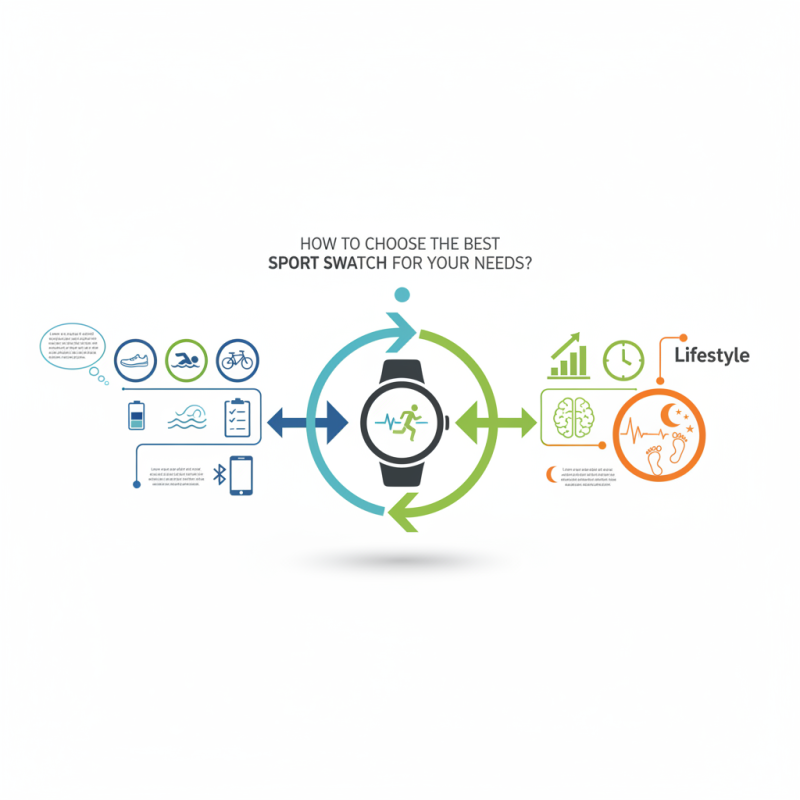
Think about how you exercise. Do you run, swim, or cycle? Each sport may need different functionalities. Consider battery life, water resistance, and compatibility with your smartphone. A Sport Smart Watch should be reliable, especially during intense workouts.
It's easy to get lost in the latest trends. Sometimes, a feature may sound appealing but might not serve your goals. Prioritize what matters to you. Make a list of must-have features. Reflect on your workouts and daily habits. In the end, the best Sport Smart Watch should fit seamlessly into your lifestyle.
Factors to Consider When Choosing a Sport Smart Watch
When selecting a sport smart watch, several factors warrant careful consideration. One primary aspect is the watch’s tracking capabilities. A report by Statista indicated that 55% of consumers prioritize fitness tracking features. This includes heart rate monitoring, GPS functionality, and step counting. Accurate tracking can significantly impact your training efficiency and overall fitness progress.
Another important factor is the design and comfort of the watch. Over 60% of users report discomfort with bulky designs during workouts. A lightweight, ergonomic watch enhances user experience, especially during intensive activities. A smartwatch should not be an additional burden.
Furthermore, battery life cannot be overlooked. A study by TechRadar pointed out that 52% of athletes prefer devices with a long-lasting battery, especially for extended outdoor activities.
Lastly, consider the compatibility with other devices. Many users need seamless integration with their smartphones for enhanced functionality. However, finding the right model that pairs well can be challenging. Ensuring you choose a watch that aligns with your devices can improve usability and access to data. Hence, reflecting on these aspects can lead you to a more informed decision.
Key Features of Sport Smart Watches: Heart Rate Monitor and GPS
When choosing a sport smart watch, two key features stand out: heart rate monitors and GPS. A heart rate monitor provides real-time data about your cardiovascular performance. This feature can be crucial when you're pushing your limits. It helps ensure you're exercising in the optimal heart rate zone. Knowing your heart rate can improve endurance and recovery times. The accuracy of these monitors can vary. It’s essential to check user reviews to gauge reliability.
GPS tracking is equally important for outdoor activities. It enables precise tracking of distance, pace, and route. Whether you’re running, cycling, or hiking, GPS can provide valuable insights into your performance. Some watches offer additional features like route mapping and elevation tracking. However, the battery life can be affected by constant GPS usage. Users often experience shorter usage times compared to when using only basic functions.
Both features are integral for athletes seeking progress. Consider how often you’ll use these functions. If you only need basic tracking, simpler models may suffice. Reflections on your specific needs can guide your choice. Balancing features with your budget is vital. Always ensure you choose a watch that fits your lifestyle and enhances your training effectively.
Comparison of Key Features in Sport Smart Watches
Comparison of Battery Life in Popular Sport Smart Watches
When choosing a sport smart watch, battery life often stands out as a crucial factor. You want a device that lasts through your longest workouts and adventures. Many popular models offer impressive battery performance, but how do they compare? Some watches tout up to two weeks of battery life, while others might only last a few days with heavy use. It’s essential to evaluate your own usage patterns. Do you use GPS regularly? Are you monitoring your heart rate continuously? These activities can drain batteries quickly.
A watch’s battery life is often advertised as a range but may vary significantly in real-life conditions. For example, the advertised number may reflect minimal use, while daily wear with multiple features activated can lead to disappointment. Consider how often you charge your devices. If you find yourself charging more than you expect, it may not meet your needs. User reviews frequently highlight these discrepancies. They present real-world experiences that can shape your decision. Remember, a smart watch should enhance your sporting experience, not detract from it by requiring constant charging.
Understanding Compatibility with Fitness Apps and Devices
When choosing a sport smartwatch, compatibility with fitness apps and devices is crucial. Many smartwatches can sync with popular fitness applications. This allows you to track workouts, monitor heart rates, and analyze performance. However, not all devices work seamlessly together. Some watches may have limited support for specific apps. Research and ensure compatibility with your preferred fitness platforms.
Another consideration is the ecosystem of devices you currently own. If you use a particular smartphone, check if the smartwatch integrates well with it. Some watches may offer more features when paired with certain devices. Look for those that can share data effortlessly. Compatibility enhances the overall experience, but it can be tricky.
It's also wise to read reviews. Users often highlight compatibility issues that can influence your decision. Seek feedback on app performance and features. Keep in mind that some apps may require updates to work well. You might find certain functions lacking. Evaluate if the trade-offs are acceptable for your fitness journey. Balancing features and compatibility will ultimately guide you to the right choice.
How to Choose the Best Sport Smart Watch for Your Needs?
| Feature | Description | Compatibility | Battery Life | Price Range |
|---|---|---|---|---|
| Heart Rate Monitor | Tracks real-time heart rate during workouts. | Compatible with most fitness apps. | Up to 7 days | $100 - $250 |
| GPS Tracking | Provides accurate location and distance tracking for outdoor activities. | Works with popular fitness tracking software. | 10 to 14 days | $150 - $300 |
| Sleep Tracking | Monitors sleep patterns and quality of rest. | Integrates with wellness applications. | 5 to 10 days | $80 - $200 |
| Water Resistance | Suitable for swimming and water sports. | Compatible with fitness tracking platforms. | Varies based on usage | $120 - $350 |
| Fitness Casts | Interactive workouts and coaching. | Works with various fitness apps. | Up to 2 days | $200 - $400 |
Price Range Analysis: Budget vs. High-End Sport Smart Watches
When selecting a sport smartwatch, consider the price range carefully. Budget sport smartwatches typically fall between $50 and $200. These models often lack advanced features found in high-end versions. However, they can track basic metrics like steps, heart rate, and distance. For those new to fitness tracking, budget options are a practical starting point.
High-end sport smartwatches, priced from $300 to over $800, offer advanced functionalities. Features may include GPS tracking, built-in music storage, and customizable workout plans. According to a report by Counterpoint Research, premium devices capture about 40% of the market share. Users looking for in-depth analytics and seamless integration with health apps will find value in these models. Nonetheless, the price can be daunting for some, despite the benefits.
Finding the right balance between needs and budget is critical. A cheaper option may suffice for casual sports enthusiasts. Meanwhile, serious athletes might wonder if the investment in expensive watches truly pays off. Each user's experience varies significantly, highlighting the importance of personal choice.